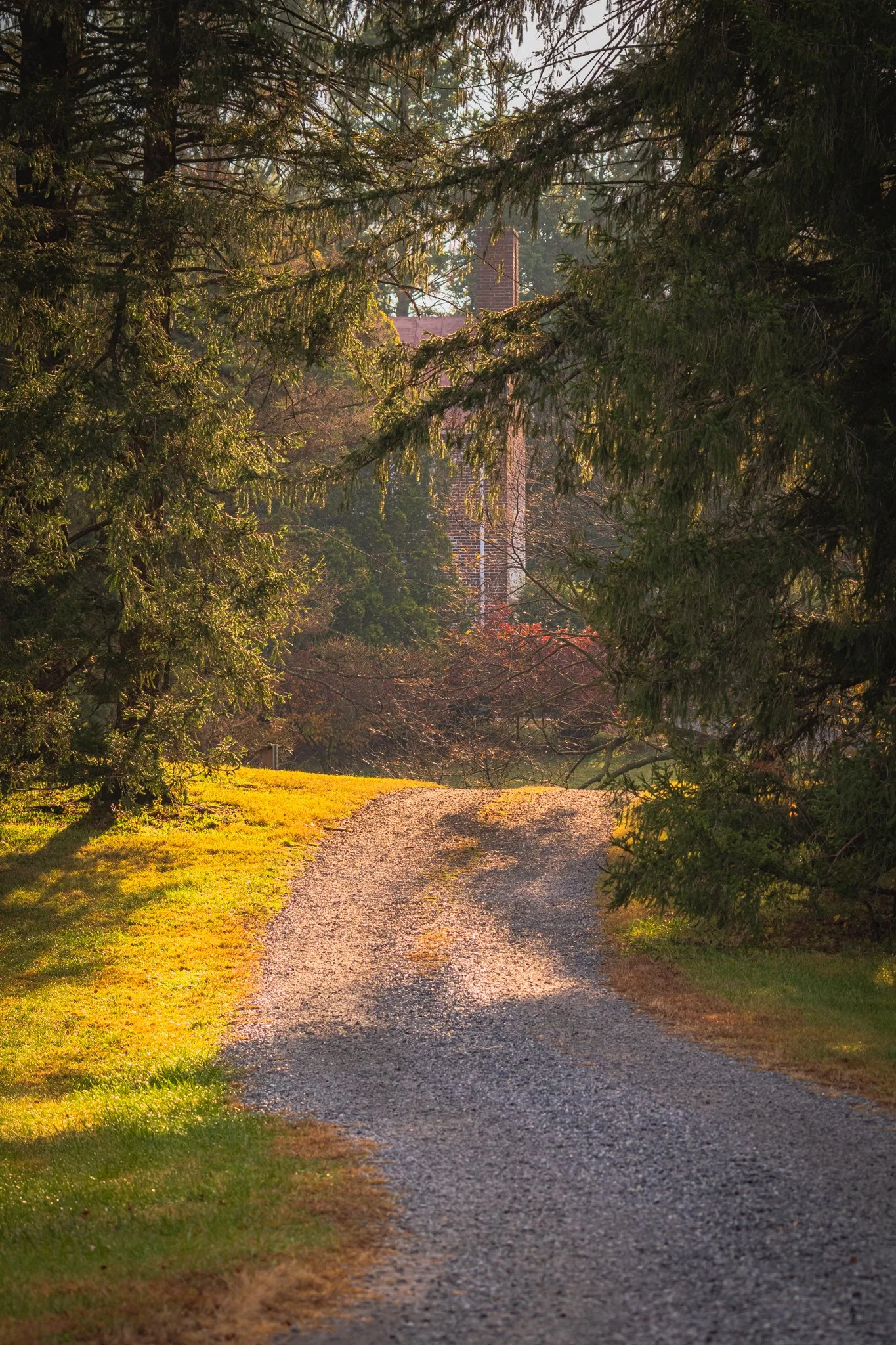
Canon R8: My First Two Months With It (The Good, The Bad, and My Honest Thoughts)
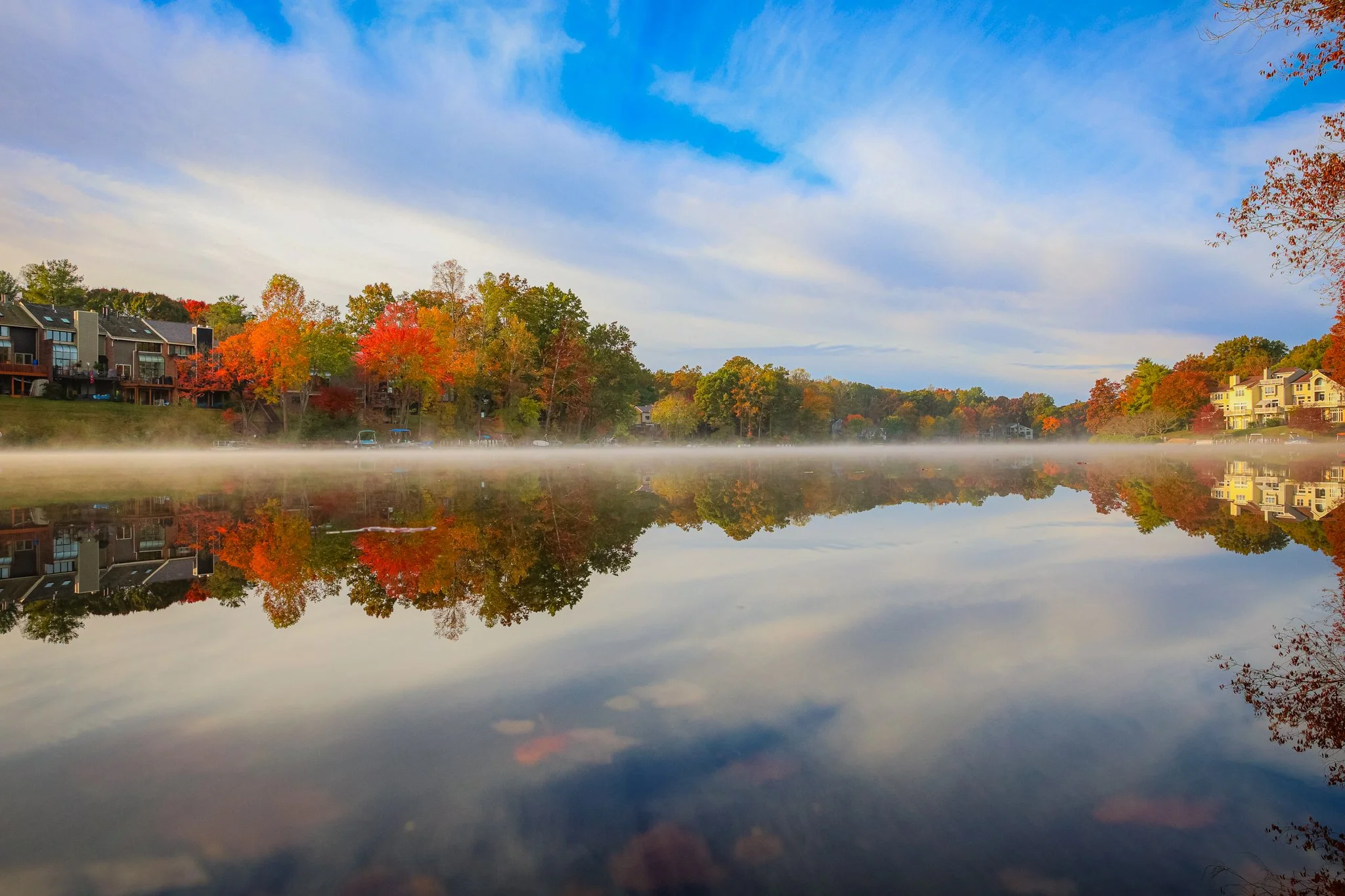
Lake Audubon in Reston, Virginia, is a serene and picturesque spot offering visitors a peaceful retreat amidst nature. Surrounded by lush greenery and accessible walking trails, the lake is a popular destination for birdwatchers and wildlife enthusiasts who appreciate its diverse habitats. The calm waters provide excellent reflections for photographers seeking to capture tranquil landscapes, while nearby picnic areas make it a great place for families and friends to gather. As part of Reston's extensive network of parks and open spaces, Lake Audubon exemplifies the area's commitment to preserving natural beauty within a suburban setting.
Before I jump into this review, I want to say it’s been a while. I stepped away for a couple of months because life got heavy. Losing someone close to you is never easy, and the older you get, the harder those losses hit. They pull you into a different kind of reality the kind that reminds you just how fragile life really is.
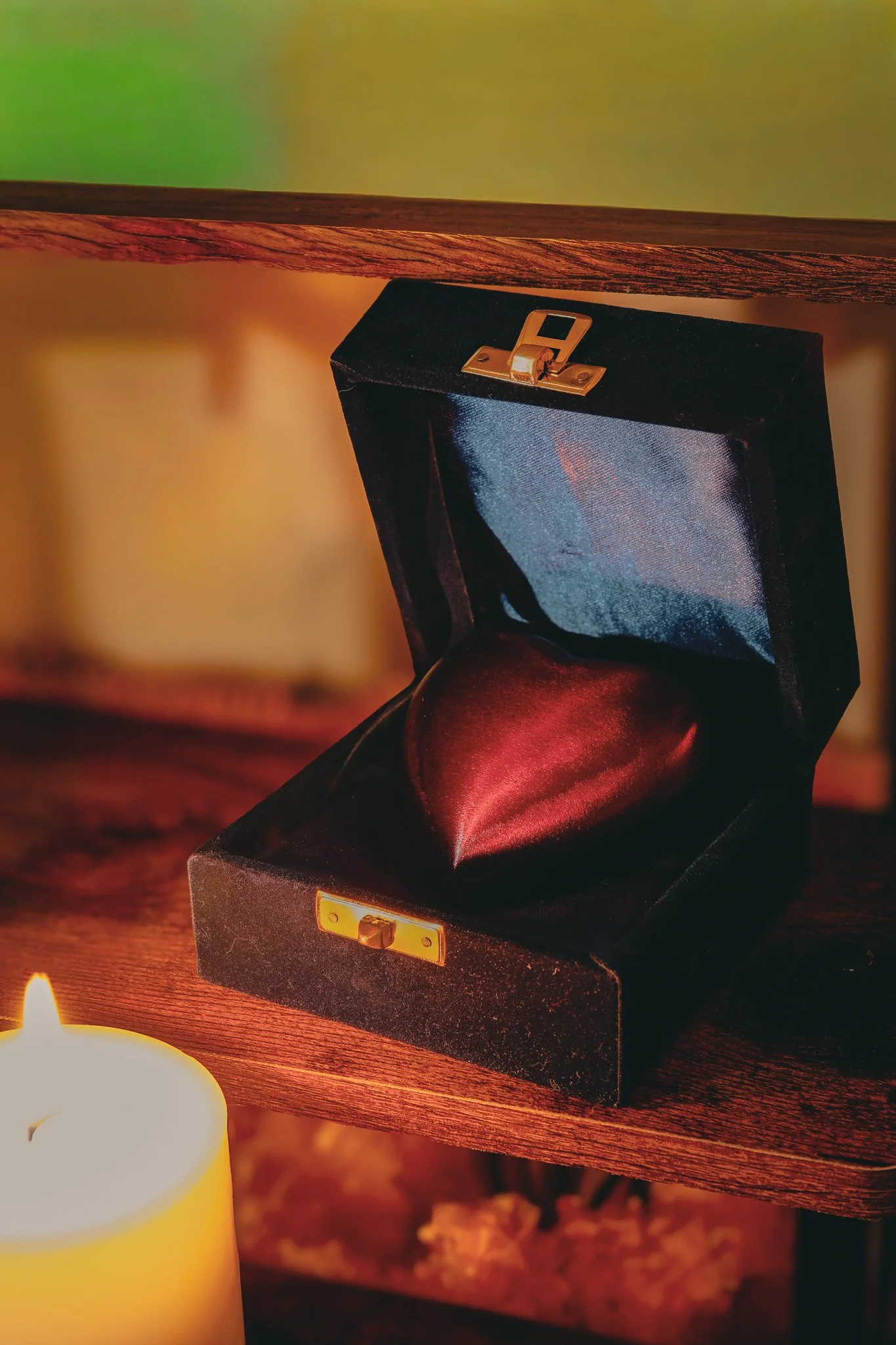
We take a moment to honor and remember those we've lost, whose presence once enriched our lives and whose memories continue to inspire us. Their stories, laughter, and love remain imprinted in our hearts, guiding us through both light and shadow. Though they are no longer with us in body, their spirit endures in the moments we cherish and the legacies they left behind. In honoring them, we find strength, gratitude, and a deeper appreciation for the fleeting beauty of life.
I’ve always believed in never going to sleep angry, in not saying things you’ll regret tomorrow, because we’re all here on borrowed time. These past months, photography has been my therapy. Every time I pick up the camera, I feel a little closer to the people I’ve lost. I know they’re still guiding me, pushing me, and rooting for me to keep going.
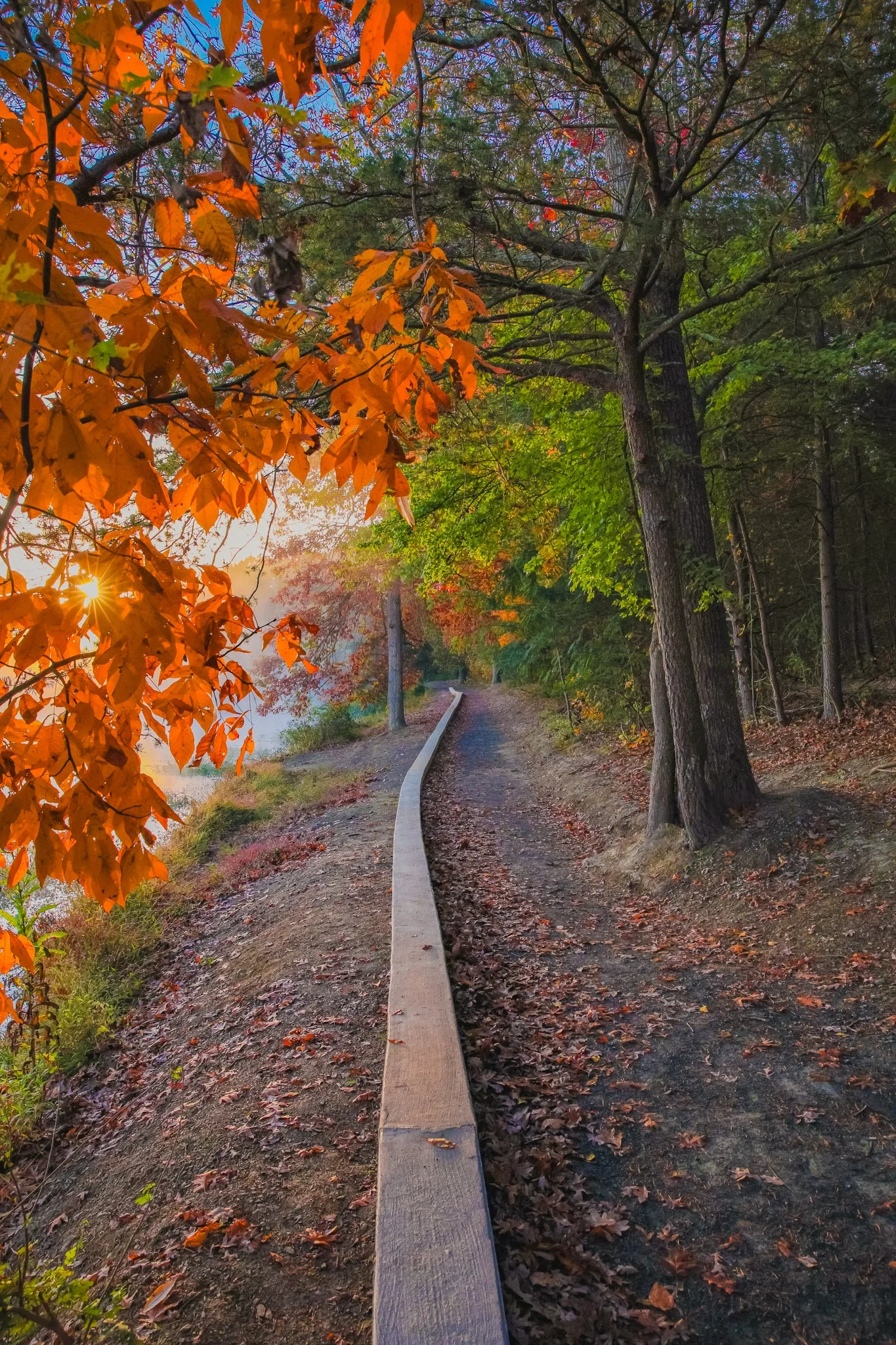
Photography serves as my escape from reality, allowing me to immerse myself in the moment and see the world through a different lens. This photo is the result of countless trials and errors, each attempt teaching me something new about light, composition, and timing. Through this process, I found not only the perfect shot but also a sense of calm and creative fulfillment that photography consistently brings into my life.
Why I Upgraded to the Canon R8
After paying off one of my lenses and feeling confident in the setup I already owned, the next step was obvious: a camera upgrade. For years I shot on the Canon M50 Mark II. It’s an excellent beginner body and still incredibly capable for the price, but I shoot in low light a lot, and the M50 just couldn’t give me the high-ISO performance I needed anymore.

This photo was captured using the Canon M50 Mark II, a versatile mirrorless camera known for its excellent image quality and compact design. Understanding your camera’s capabilities, such as sensor size, autofocus performance, and lens compatibility, plays a crucial role in achieving the desired result. The M50 Mark II’s advanced features allow for sharp focus and vibrant colors, which are evident in the detail and composition of this shot. Knowing how to maximize your camera settings ensures that every moment is captured with clarity and precision.
I knew it was time to move to full frame.
On a budget, that led me to the Canon R8. After researching for months and using it for two full months now, I’m finally ready to share my first impressions—the good, the bad, and everything in between.
(Note: I haven’t shot video with it yet, so a separate video-focused review will come soon.)
All the photos in this blog were taken with the Canon R8.
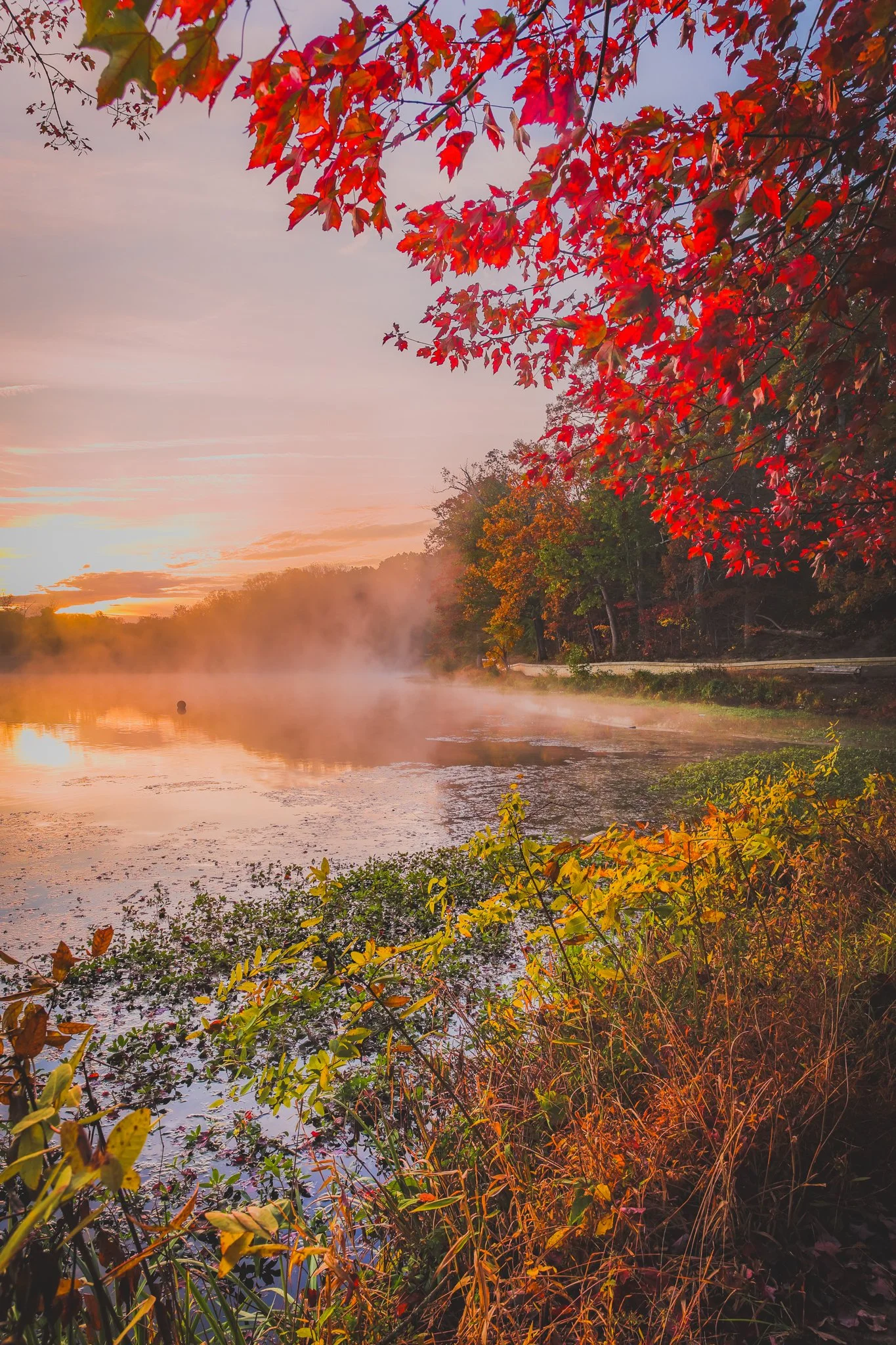
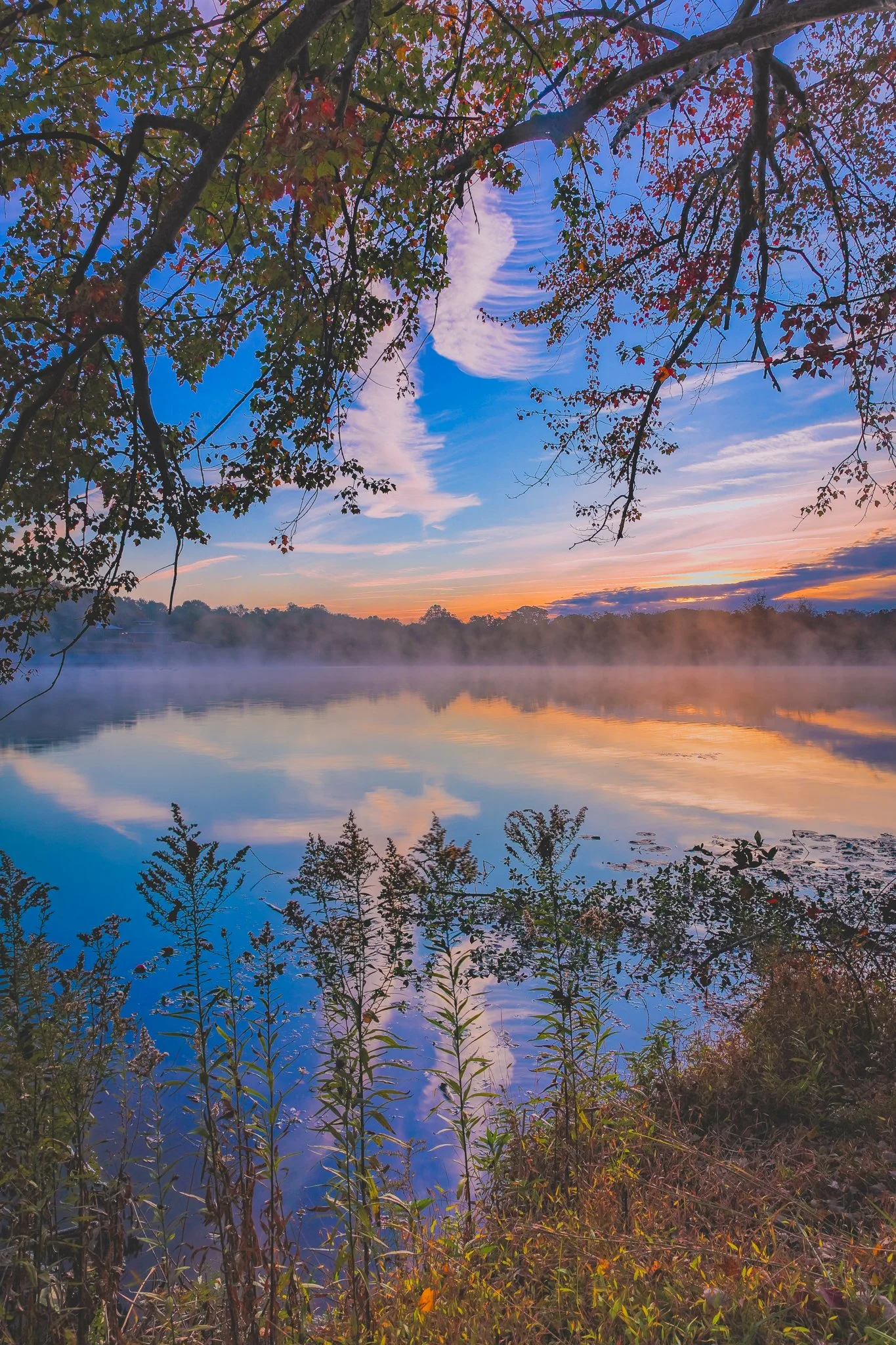
The scenery at Lake Fairfax was truly dreamy, with the gentle morning mist hovering over the water’s surface, creating a soft, ethereal glow that blurred the line between reflection and reality. The calm lake mirrored the vibrant hues of the sunrise, painting the sky with warm tones of pink and gold. Surrounding trees framed the scene perfectly, their silhouettes adding depth and contrast to the serene landscape. Every element came together in harmony, making the moment feel timeless and almost surreal.
My Lens Setup (and Why Lenses Matter First)
Before talking about the camera, I want to highlight something important: invest in lenses first. A great lens will elevate your photography instantly, no matter what body you’re on.
Right now I’m using:
24–70mm
100–400mm

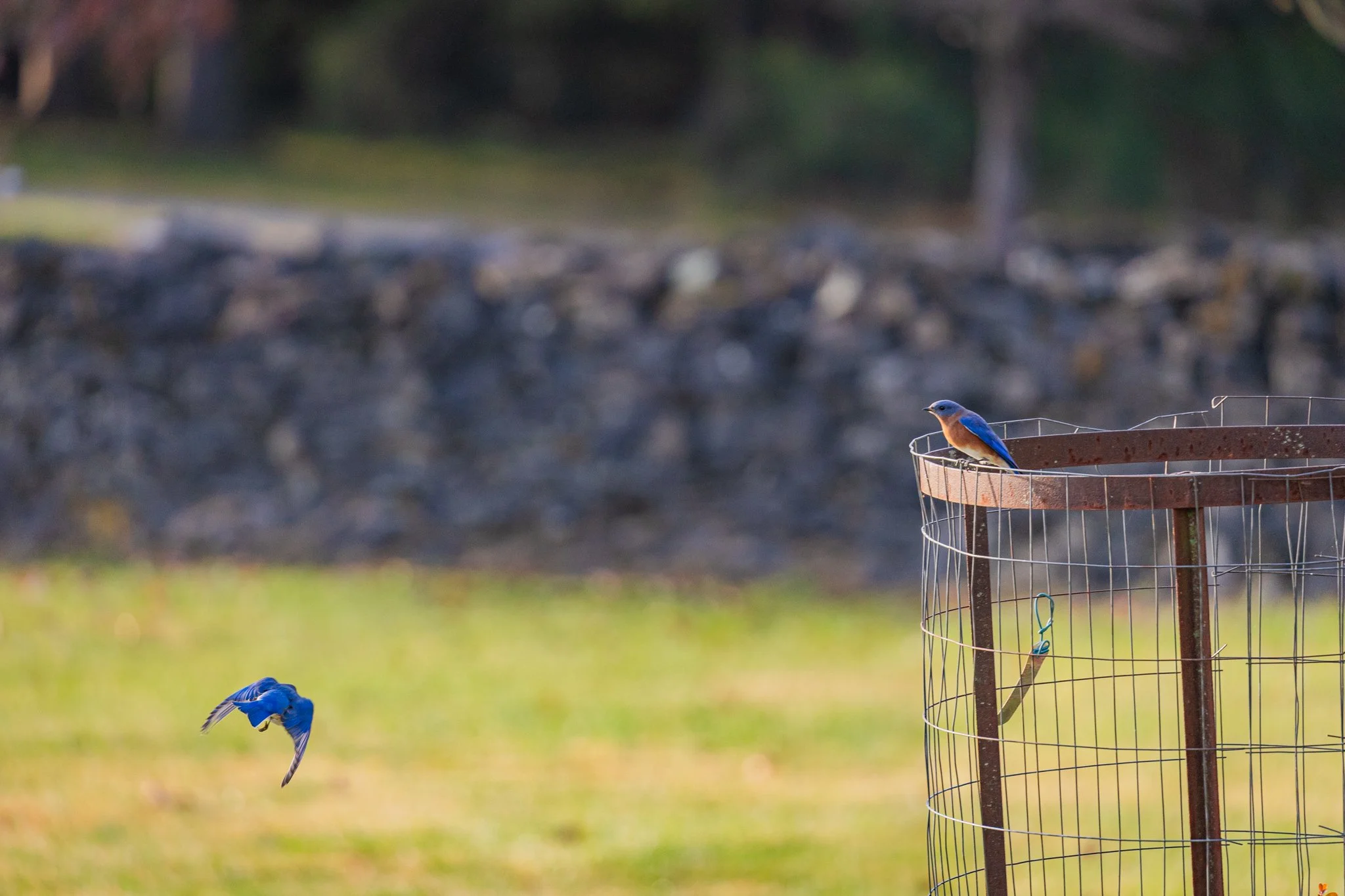
The Canon EF 100-400mm lens paired with the R8 camera has allowed me to capture some truly special moments with wildlife. The lens’s versatile zoom range and sharp optics combined with the R8’s fast autofocus and high-resolution sensor deliver stunning clarity and detail, even from a distance. This setup has made it possible to document intimate behaviors and fleeting expressions in birds and animals that might otherwise go unnoticed, enhancing both my creative process and the quality of my images.
Since I shoot mostly landscapes and wildlife, these two lenses cover everything I need from portraits to, weddings, nature, action, you name it. When I upgraded to the R8, I also made sure my EF lenses could be adapted to RF using Canon’s EF-to-RF adapter, which works perfectly. I’m already planning to pick up a macro lens next because I want to push myself creatively and dive deeper into macro work.
I even have a photography concept for next year, a project I’m calling “Water” and the R8 is giving me everything I need to bring those shots to life.
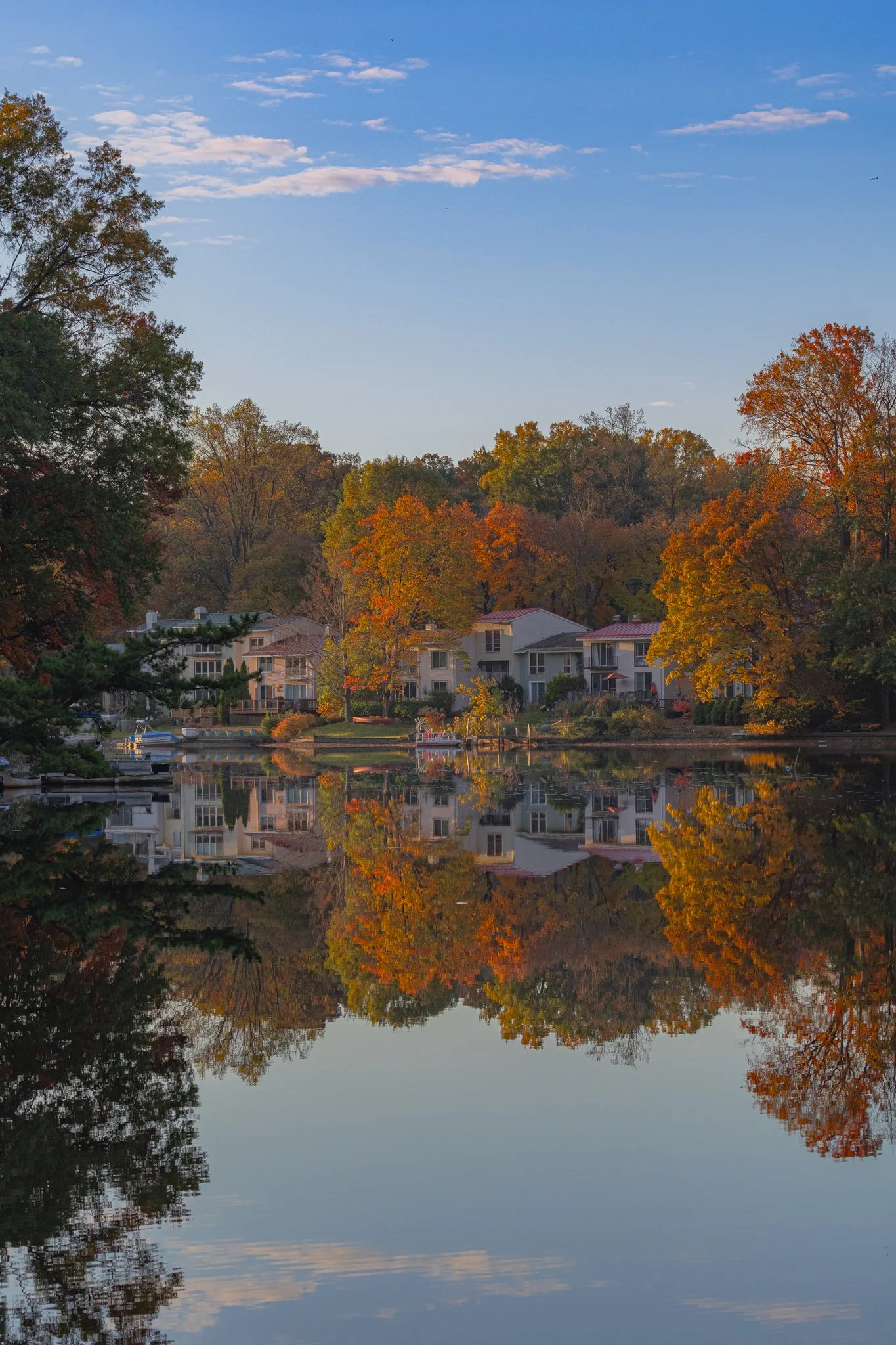
Water, with its fluidity and reflective nature, transforms ordinary scenes into extraordinary works of art when captured at the right moment. Whether it's the gentle ripples of a calm lake, the crashing power of ocean waves, or the delicate spray of a waterfall, water's movement and light interplay create dynamic compositions. The translucence and reflections offer endless opportunities for creative expression, revealing textures and patterns that are often invisible to the naked eye. Timing is crucial; a split second can turn a simple water droplet into a shimmering jewel or freeze the chaos of a surf break into a sculptural masterpiece, showcasing nature's artistry in its purest form.
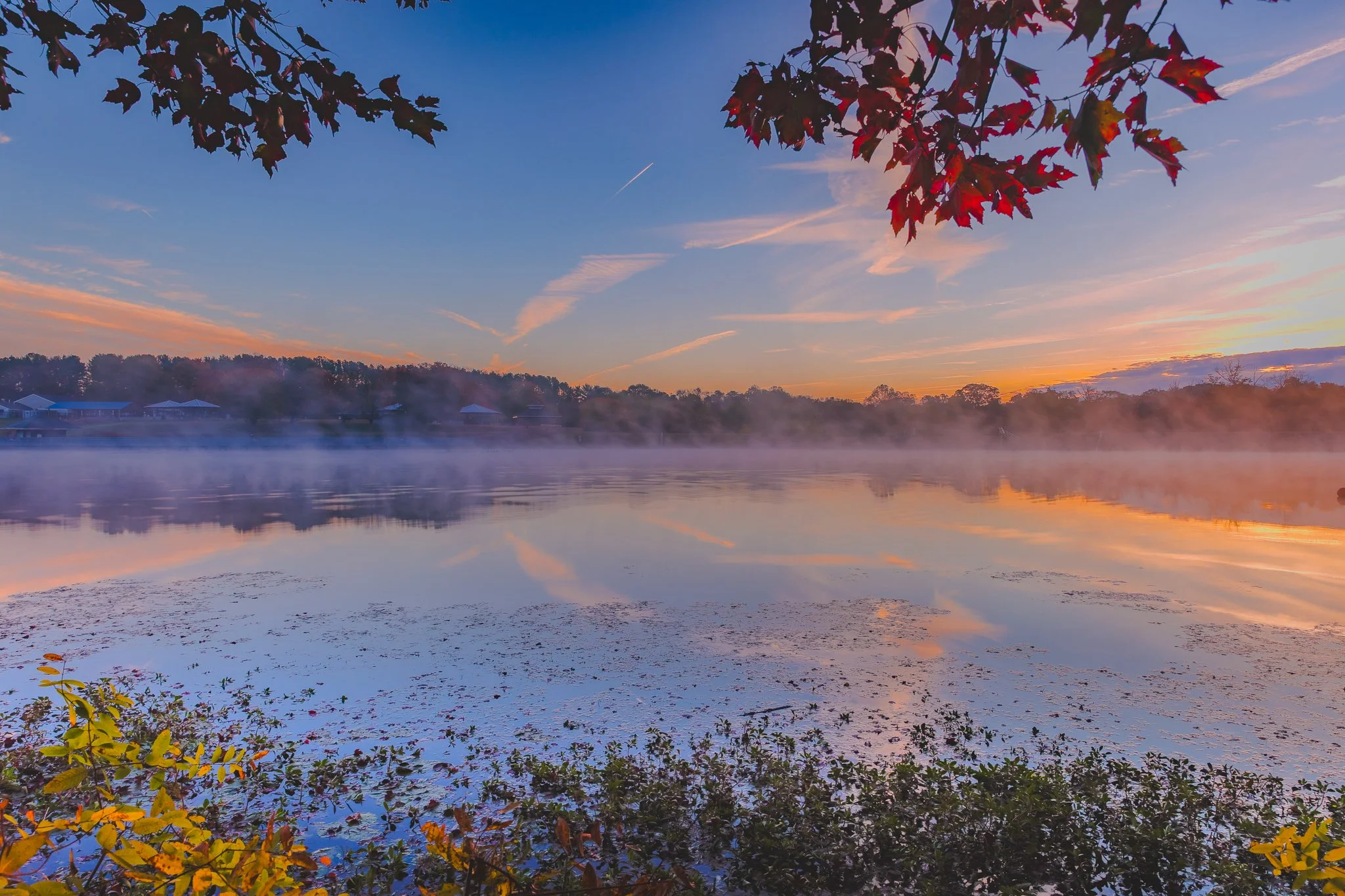
Sunrises over a body of water create a mesmerizing display of color and light, where the calm surface reflects the warm hues of the sky, doubling the visual impact. The gentle ripples catch the early morning glow, casting shimmering patterns that enhance the sense of tranquility. Whether it’s a serene lake, a flowing river, or the expansive ocean, the pairing of sunrise and water evokes a peaceful beginning, inviting quiet reflection and a fresh perspective to start the day.
The Negatives (Let’s Get These Out of the Way)
Honestly, the list of negatives is short, but they’re worth mentioning:
1. Battery Life
The battery life is… not great. You need authentic Canon batteries because third-party ones don’t deliver full performance. For long sessions, you’ll definitely want 2–3 spares.
2. SD Card Requirements
To really take advantage of this camera’s power especially the burst mode and video features you need a high-end SD card. These can get pricey. Right now I’m working with a 128GB card, but I’m saving for a 1TB card as a long-term investment. But if you are planning to make this your full time gig then this investment should be a no brainer.
And honestly, that’s about it for the downsides.
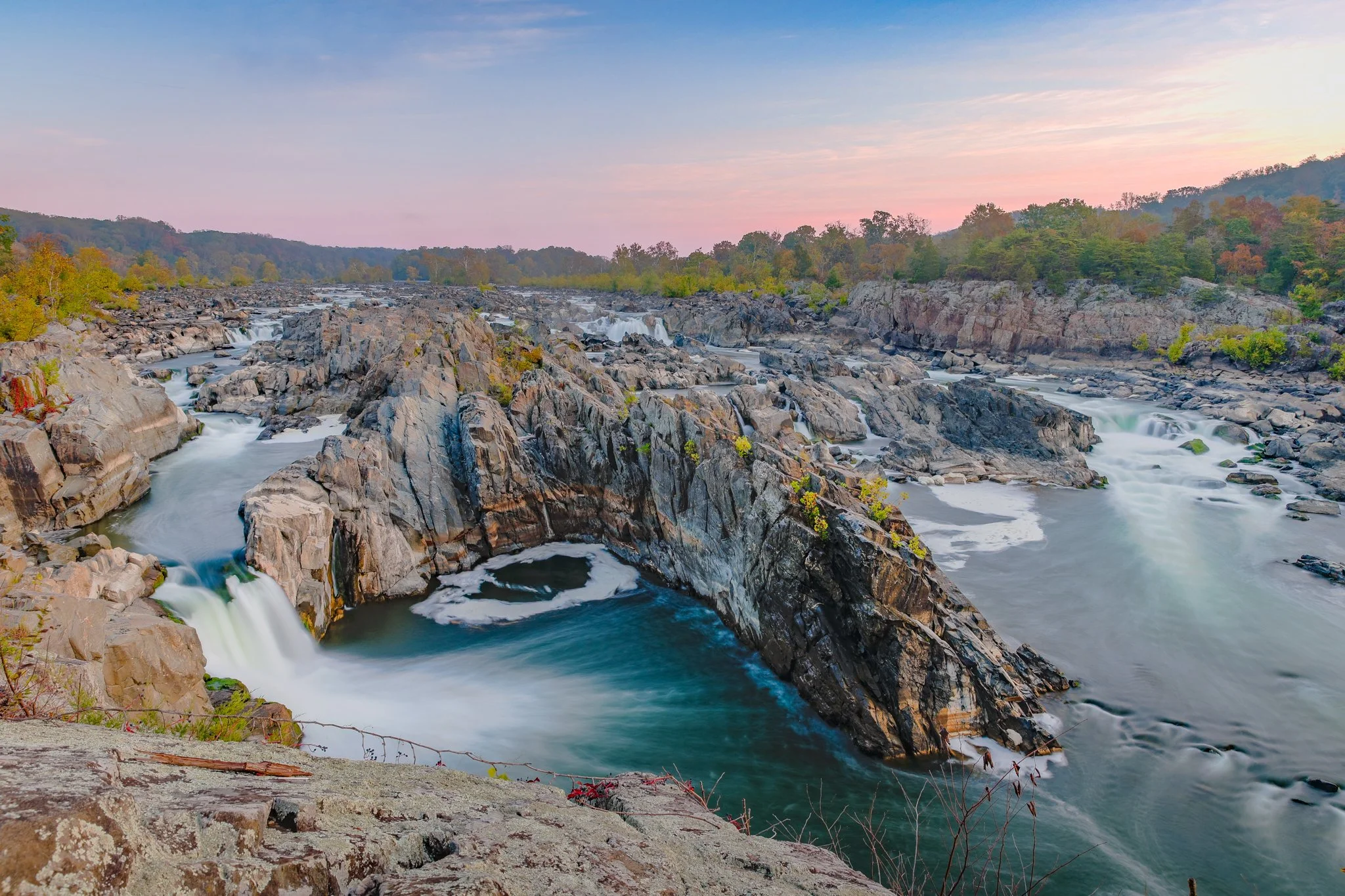
The Canon R8 excels in low light situations, delivering impressive performance with its advanced sensor and image processor. Its high ISO capabilities allow photographers to capture clear, detailed images even in dim environments without excessive noise. The camera’s fast and accurate autofocus system maintains sharp focus on subjects, making it ideal for wildlife at dawn or dusk.. Additionally, the in-body image stabilization helps reduce blur from camera shake, resulting in sharper images despite slower shutter speeds. Overall, the R8 provides reliable power and versatility for photographers working in challenging lighting conditions.
What I Love About the Canon R8 (Compared to the M50 Mark II)
Coming from the Canon M50, the difference was noticeable instantly.
1. Full-Frame Sensor
Both cameras have similar megapixel counts (24.1MP vs 24.2MP), but the full-frame sensor on the R8 pulls out way more detail in shadows and low-light scenes. You see the difference when editing.
2. ISO Performance
M50 ISO range: 100–25,600
But realistically, anything above 1600–2500 was too grainy.
R8 ISO range: 100–102,400
I’ve pushed it to ISO 6000 and still got clean, usable images.
For me, this alone was worth the upgrade.
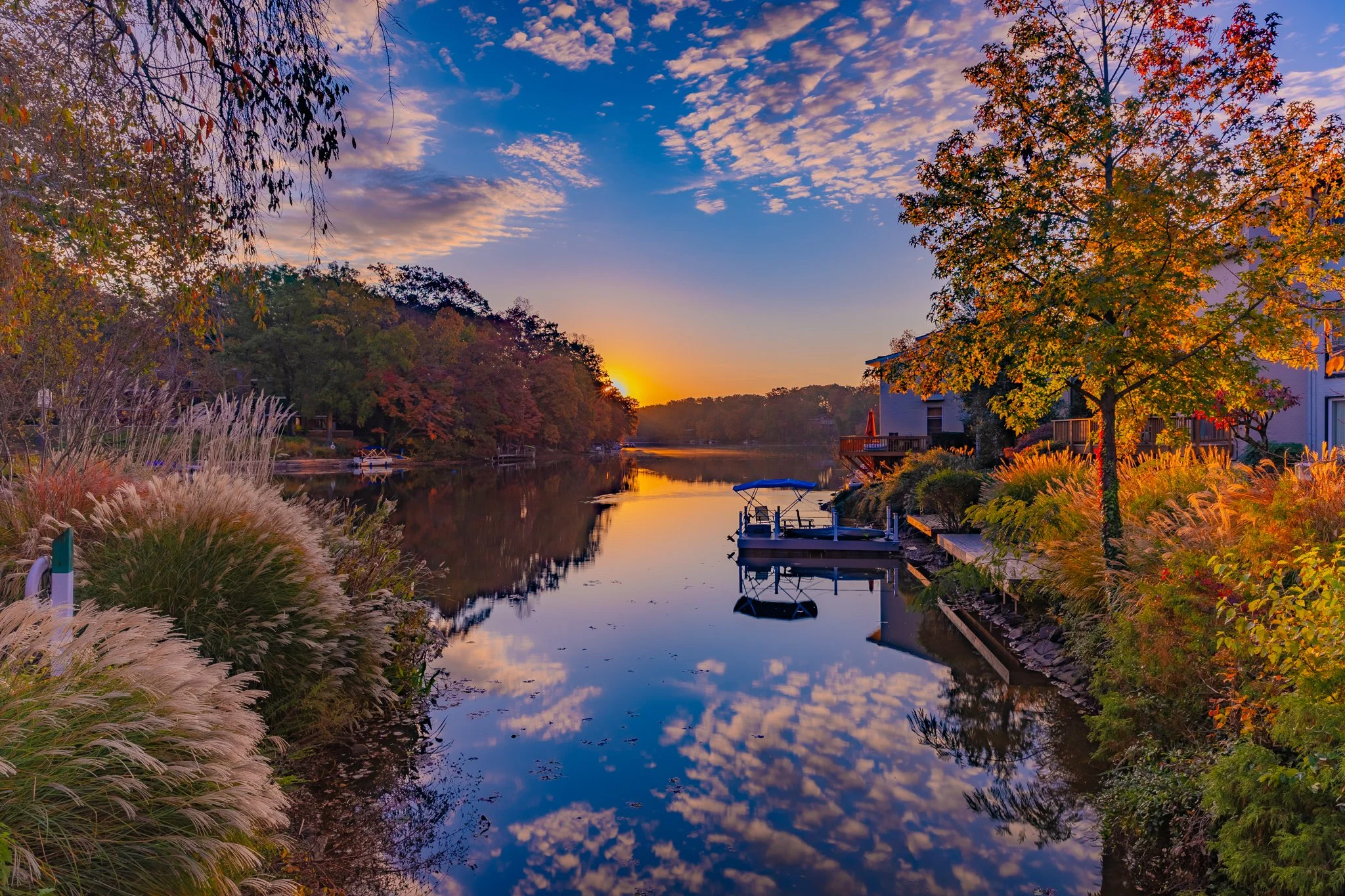
The photo captures the serene beauty of Lake Anne in Reston, VA, at sunrise during the fall. Golden hues gently illuminate the calm water, reflecting the vibrant autumn foliage that lines the shore. The soft morning light enhances the warm reds, oranges, and yellows of the trees, creating a peaceful and inviting atmosphere. The stillness of the lake combined with the crisp fall air evokes a sense of calm and reflection, showcasing nature’s quiet transition into the season.
3. Shutter Speed
M50 max: 1/4000
R8 max: 1/6000
You may not always use the higher speeds, but in low-light or fast-action, that extra flexibility matters.
4. Processor & Autofocus
This was probably my biggest shock.
M50: DIGIC 8
R8: DIGIC X
The autofocus on the R8 is next level.
Subject detection especially eye detection for animals is insanely accurate. It locks on fast and stays locked, even with movement. I was spoiled on the M50, but the R8 makes the M50 feel outdated.
5. Shooting Speed
M50: 10 fps
R8: Up to 40 fps
This alone changes everything for wildlife, sports, and action shots. I’ve captured moments I would’ve absolutely missed before.

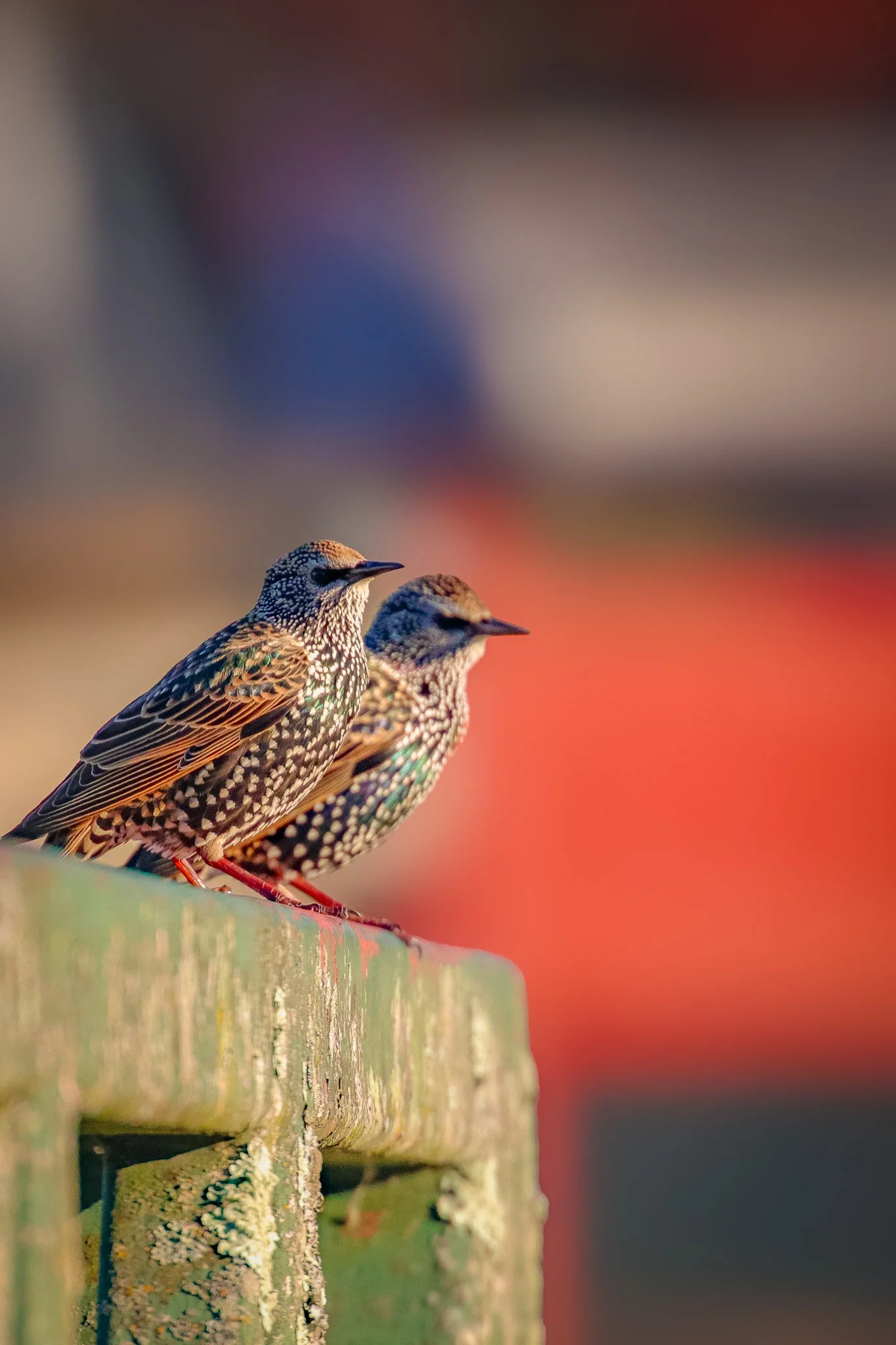
Sparrows in the morning light embody a quiet vitality, their feathers glistening softly with the sun's first golden rays. As they flit between branches and hover near feeders, the gentle illumination highlights the subtle details of their plumage and the delicate movements of their wings. The warm light enhances the peaceful atmosphere of the early day, casting long shadows and creating a scene where the simple beauty of these small birds can be fully appreciated. In this tranquil moment, sparrows become living brushstrokes in nature’s early palette.
Final Thoughts
Overall, I’m genuinely in love with this camera. It feels like the right step forward for me at the right time. As I grow as a photographer, I’m even starting to think about getting into sports photography. Being that close to the action has always been a dream of mine.
I also hear amazing things about the R8’s video capabilities, and I’ll be testing that soon—especially since my first video project is almost ready. I’m nervous, but excited.
If you’re a beginner or an intermediate shooter looking to upgrade on a budget, I can confidently recommend the Canon R8.
Just remember: invest in lenses first. They make the biggest difference immediately.
Thank you all for reading, and I hope you have an amazing holiday season. I probably won’t be very active until I finish the project I’ve been working on, but I can’t wait to share more soon.
Stay creative, stay inspired, and keep shooting.

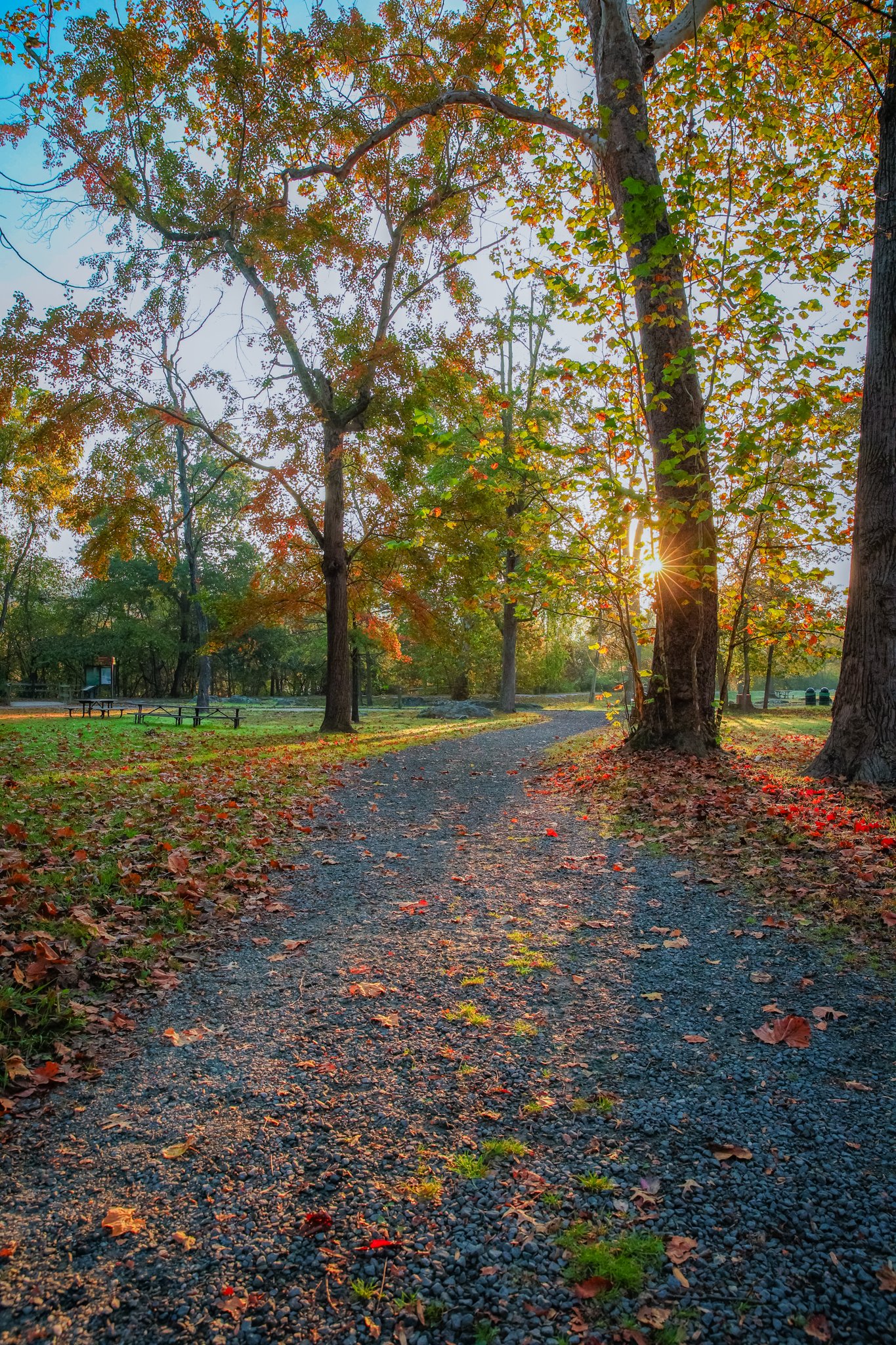
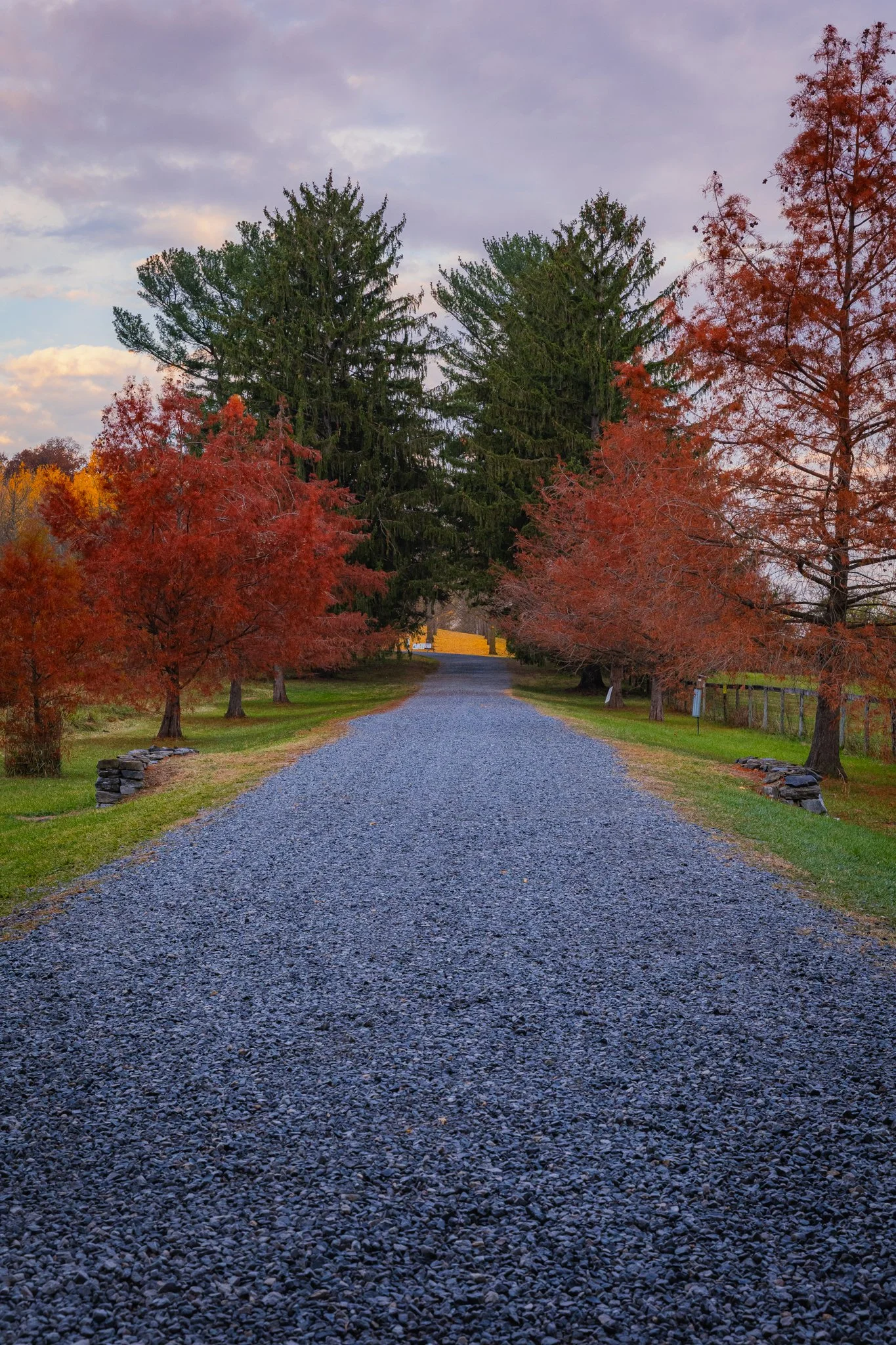
Fall mornings carry a crisp freshness in the air, where the soft golden light filters through trees adorned with vibrant red, orange, and yellow leaves. The quiet stillness is punctuated by the gentle rustling of foliage and the occasional call of birds beginning their day. There’s a subtle chill that invites warm layers and the comforting aroma of coffee or spiced tea. These mornings offer a unique blend of calm and renewal, inviting a deeper appreciation for nature’s seasonal rhythms.
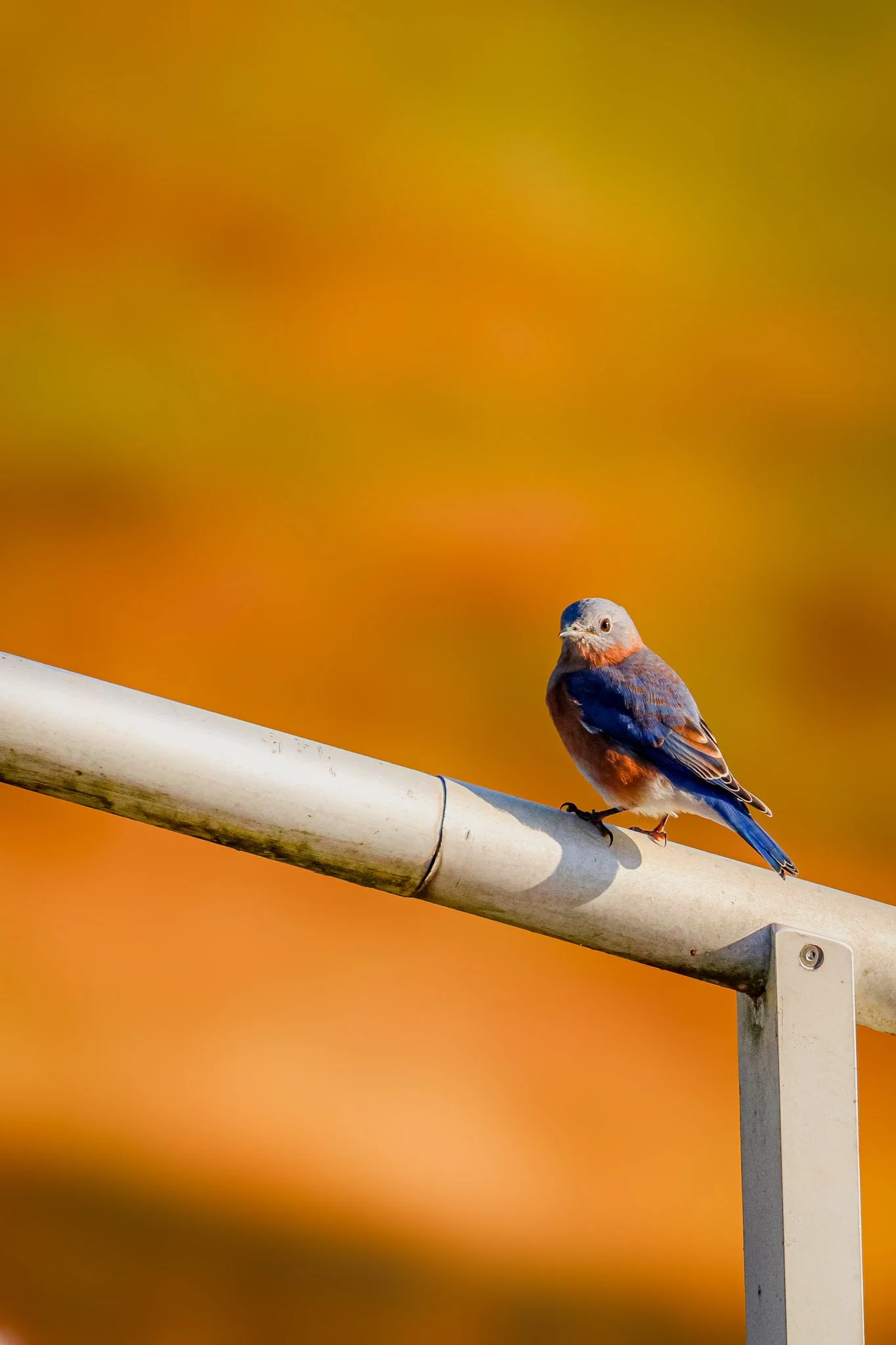
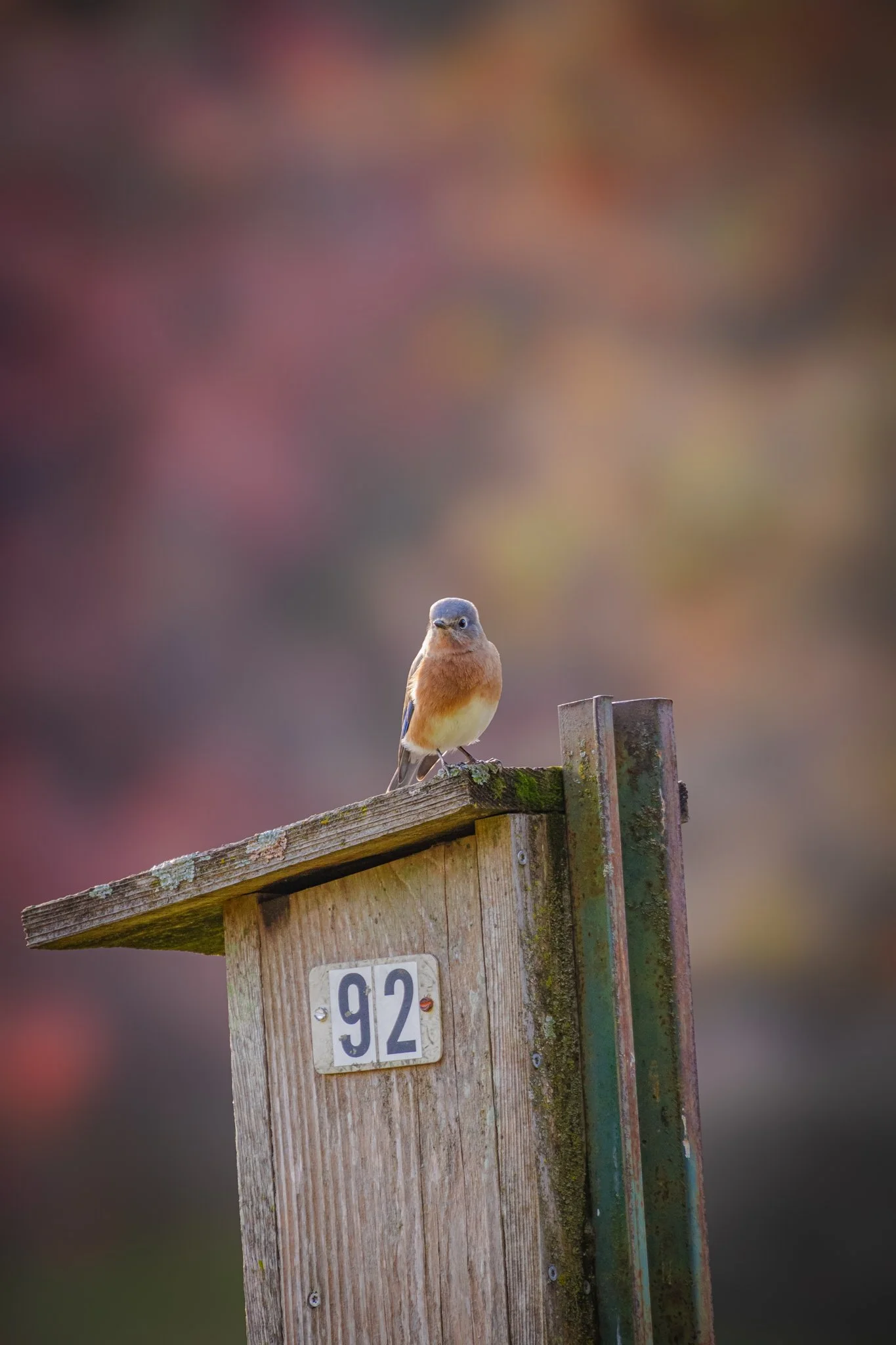
The eastern bluebird, with its vibrant blue plumage and rusty red breast, stands out beautifully against a backdrop bathed in golden hues. The warm tones of the setting sun create a soft, glowing contrast that highlights the bird's delicate features and sharp eyes. This combination of the bluebird’s vivid colors and the golden light evokes a serene and almost magical atmosphere, capturing a moment of natural elegance that speaks to the quiet beauty found in everyday wildlife scenes.